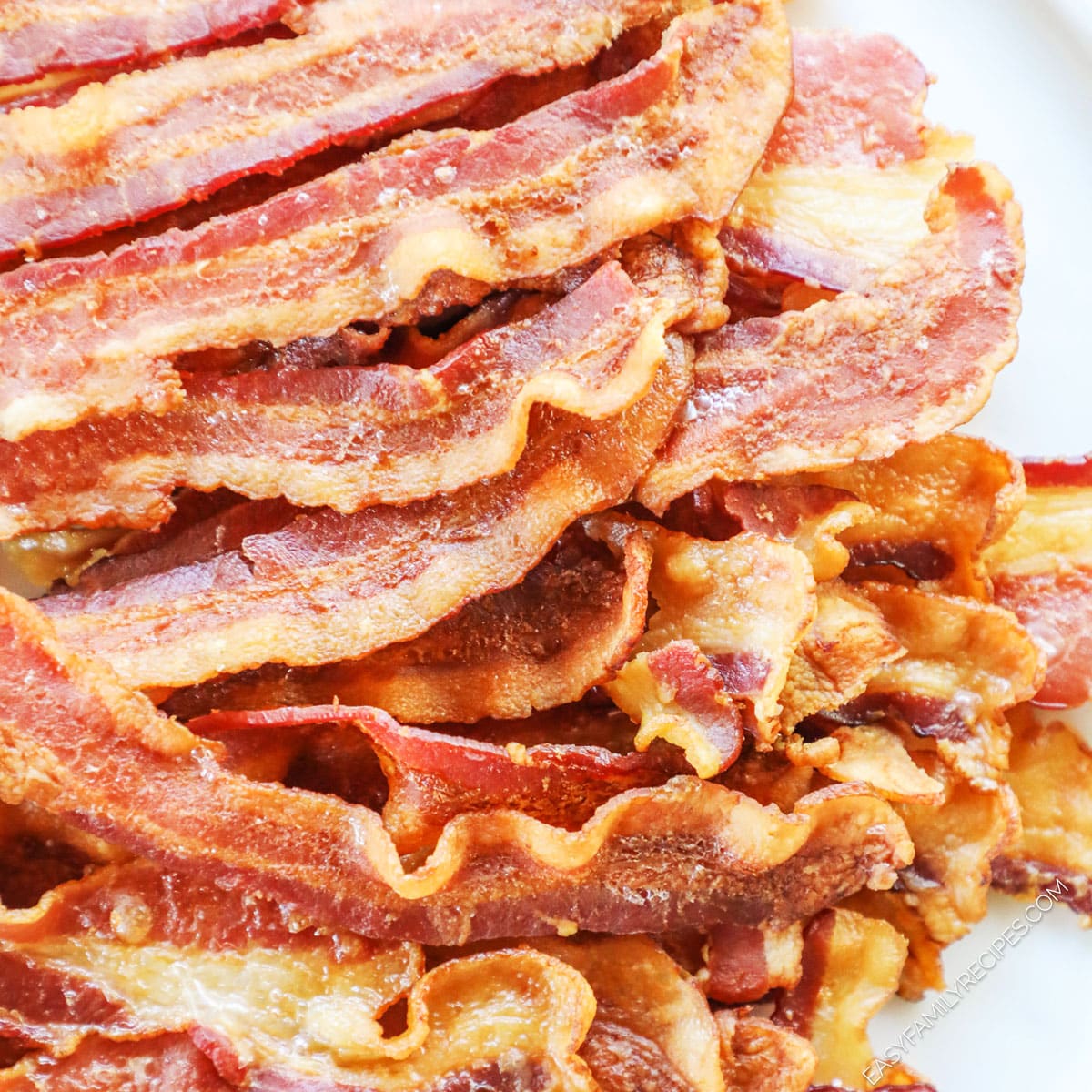
Forget the days of greasy stovetop splatters, constant flipping, and unevenly cooked strips. If you've been searching for the ultimate method for how to cook bacon in oven, prepare for a culinary revelation. Baking bacon isn't just a convenient alternative; it's a superior technique that consistently delivers perfectly crispy, delicious bacon with minimal fuss and mess. This isn't just a hack; it's a game-changer that will transform your breakfast routine and elevate your bacon game forever.
Why the Oven Method Reigns Supreme: Beyond Just Crispiness
For many, the sizzle of bacon in a pan is synonymous with Saturday mornings. However, the traditional stovetop approach often comes with a messy price: grease splattering across your countertops and stove, demanding immediate cleanup. The oven method, on the other hand, offers a suite of benefits that make it the undisputed champion of bacon preparation.
The Splatter-Free Zone: A Clean Kitchen's Best Friend
One of the most compelling reasons to switch to oven-baked bacon is the dramatic reduction in cleanup. When bacon cooks in a pan on the stovetop, the high heat causes fat to render and pop, sending tiny droplets of grease across your kitchen. In the oven, however, the bacon cooks in a contained environment. The sheet pan catches all the rendering fat, keeping your stovetop pristine and your arms safe from hot oil. It's a simple change that makes a huge difference in maintaining a tidy cooking space. For more on keeping your kitchen spotless, check out our guide on Clean Kitchen Bacon: Oven Method Beats Stovetop Splatter.
Effortless Even Cooking for Consistent Perfection
Achieving consistently crispy bacon in a skillet is a delicate dance of monitoring, flipping, and adjusting heat. Often, some strips cook faster than others, leading to a mix of burnt, undercooked, and perfectly golden pieces. The oven eliminates this guesswork. With heat circulating evenly around each strip, every piece of bacon cooks uniformly, rendering out fat and crisping up to perfection without the need for constant attention. You simply arrange it, set it, and forget it until it's ready.
Scalability for a Crowd: Feed Everyone Faster
If you're cooking for a large family or hosting a brunch, a single skillet can only handle a few strips at a time, turning bacon preparation into a lengthy, multi-batch endeavor. The oven, however, allows you to cook an entire package (or even more, with multiple sheet pans) in one go. This efficiency is invaluable when feeding a crowd, ensuring everyone gets to enjoy hot, crispy bacon simultaneously.
Superior Texture and Flavor: The Slow Render Advantage
The slower, more gentle heat of the oven allows the bacon fat to render out gradually. This slow rendering process is crucial for developing that ideal crispy texture. Instead of quickly searing the surface, the oven coaxes out the fat, leaving behind perfectly brittle, melt-in-your-mouth bacon with a richer, more developed flavor profile. You avoid the chewiness of undercooked fat and the acrid taste of burnt edges.
Mastering the Oven Bacon Technique: Step-by-Step
Ready to unlock the secret to perfect oven-baked bacon? Here's everything you need to know, from selecting your bacon to perfecting the temperature.
Choosing Your Bacon: The Right Cut Matters
While almost any type of bacon can be cooked in the oven, your choice will affect cooking time and results.
- Center-Cut Bacon: This is often preferred for its even thickness, which leads to very consistent cooking. It tends to crisp up beautifully.
- Regular Cut Bacon: This works perfectly well and is a great all-around choice.
- Thick-Cut Bacon: Expect a longer cooking time, typically an extra 5-10 minutes. Thick-cut bacon yields a meatier, chewier texture, even when crispy, due to its increased density. If you love a substantial bite, this is your go-to.
To Rack or Not To Rack? Optimizing Grease Drainage
This is a common question, and there are benefits to both approaches:
- With a Wire Rack: Placing bacon on a wire rack set over a foil-lined baking sheet allows the rendered fat to drip away from the bacon. This promotes maximum air circulation, resulting in exceptionally crispy bacon that's less greasy. It's often considered the gold standard for ultimate crispness.
- Without a Wire Rack: If you don't have a wire rack, don't fret! You can absolutely cook bacon directly on a foil-lined baking sheet. The key difference here is that the bacon will cook in its own rendering fat. To ensure even crispiness and prevent one side from becoming soggy, you will need to flip the bacon halfway through the cooking process. While still delicious, it might be slightly less uniformly crispy than bacon cooked on a rack.
The Cold Oven Secret: Temperature and Timing
This is perhaps the most crucial tip for achieving truly spectacular oven bacon.
I recommend starting your bacon in a cold oven, then setting the temperature to 375°F (190°C). Why cold? This gradual heating allows the fat to slowly and gently render out of the bacon as the oven preheats and comes up to temperature. This slow rendering is the secret to getting super crispy bacon that isn't burnt on the edges while the center is still chewy. If you put bacon into an already hot oven, the high heat can shock the meat, causing it to seize up and cook unevenly, sometimes scorching the edges before the fat has fully rendered.
Typical cooking times at 375°F for regular or center-cut bacon range from 15-20 minutes, while thick-cut bacon can take 20-25 minutes or even longer. Keep a close eye on it, especially towards the end, as bacon can go from perfectly done to burnt quickly.
Pro Tip: While 375°F is ideal, the oven method is forgiving. If you're already cooking something else at a different temperature (say, 350°F or 400°F), you can still throw in a sheet of bacon. Just adjust your cooking time and monitor it closely. Higher temperatures will cook faster, lower temperatures slower.
Preparation and Placement
Line a baking sheet with heavy-duty aluminum foil or parchment paper for easy cleanup. If using a wire rack, place it on top of the lined sheet. Arrange the bacon strips in a single layer without overlapping. Overlapping strips will steam rather than crisp, leading to uneven results.
Monitoring and Perfect Doneness
Around the 10-12 minute mark (for regular bacon), start checking its progress. Bacon is done when it reaches your desired level of crispness and color. It will continue to crisp up slightly as it cools. Remove the baking sheet from the oven and carefully transfer the bacon to a paper towel-lined plate to absorb any excess grease. Resist the urge to let it get too dark in the oven; aim for a rich golden brown.
Beyond the Basics: Advanced Tips for Perfect Oven Bacon
The Magic of Bacon Grease: Don't Waste It!
Once your bacon is cooked and removed, carefully pour the rendered bacon grease from the baking sheet into a heat-proof container (like a glass jar). Let it cool completely, then cover and store it in the refrigerator. Bacon grease is a culinary gem, perfect for frying eggs, sautéing vegetables, making gravies, or adding a smoky depth to cornbread. It’s a flavorful fat that deserves a second life in your kitchen.
Spice It Up: Flavor Variations
While classic bacon is divine, don't be afraid to experiment:
- Black Pepper: A generous crack of fresh black pepper before baking adds a zesty kick.
- Maple or Brown Sugar: For a slightly sweet and savory treat, sprinkle a little brown sugar or drizzle a touch of maple syrup over the bacon before baking. This creates a delicious candied bacon effect (note: for candied bacon, preheating the oven can help caramelize the sugar faster).
- Cajun Spice: A light dusting of Cajun seasoning can add a surprising depth of flavor.
Troubleshooting Common Issues
- Too Chewy: Likely undercooked. Pop it back in for a few more minutes. Ensure strips aren't overlapping.
- Too Burnt: Overcooked, or oven temperature was too high. Reduce cooking time or temperature next time, and watch it closely.
- Uneven Cooking: If not using a rack, ensure you're flipping halfway. Also, check your oven for hot spots; rotating the pan once can help.
Serving Suggestions and Pairing
Oven-baked bacon is incredibly versatile. Beyond the classic breakfast plate with eggs and pancakes, consider using it to:
- Add crunch to salads (a Cobb salad's best friend).
- Elevate sandwiches and burgers.
- Crumble over baked potatoes or creamy soups.
- Wrap around dates or asparagus for elegant appetizers.
Storing and Reheating Your Crispy Creations
Proper Storage for Longevity
Once your oven-baked bacon has cooled completely, store it in an airtight container in the refrigerator for up to 5 days. For longer storage, cooked bacon freezes beautifully. To prevent sticking, lay strips individually on a parchment-lined baking sheet and freeze until solid, then transfer to a freezer bag or container. It can be stored in the freezer for up to 1-2 months.
Reheating for Revival
When you're ready to enjoy that crispy bacon again, you have a few options:
- Skillet: Place strips in a cold skillet over low to medium-low heat. Cook for a few minutes, flipping once, until warmed through and re-crisped. This is often the best method for restoring crispness.
- Microwave: For a quick reheat, place bacon on a paper towel-lined plate and microwave in 15-second bursts until hot. Be cautious, as it can go from hot to rubbery quickly.
- Oven: Spread bacon on a baking sheet and heat in a preheated oven at 350°F (175°C) for 5-8 minutes until warm and crisp. This is great for larger batches. For more comprehensive tips on achieving consistent results every time, explore our guide: Bake Perfect Bacon: Your Guide to Easy, Crispy, & Clean Results.
Adopting the oven method for cooking bacon is more than just a convenience; it's a testament to smarter cooking. By embracing this simple technique, you'll consistently achieve perfectly crispy, flavorful bacon without the mess and constant attention. Say goodbye to greasy stovetops and hello to effortless perfection every time you crave that irresistible crunch. Give it a try this weekend, and you'll quickly discover why oven-baked bacon is the only way to go.
