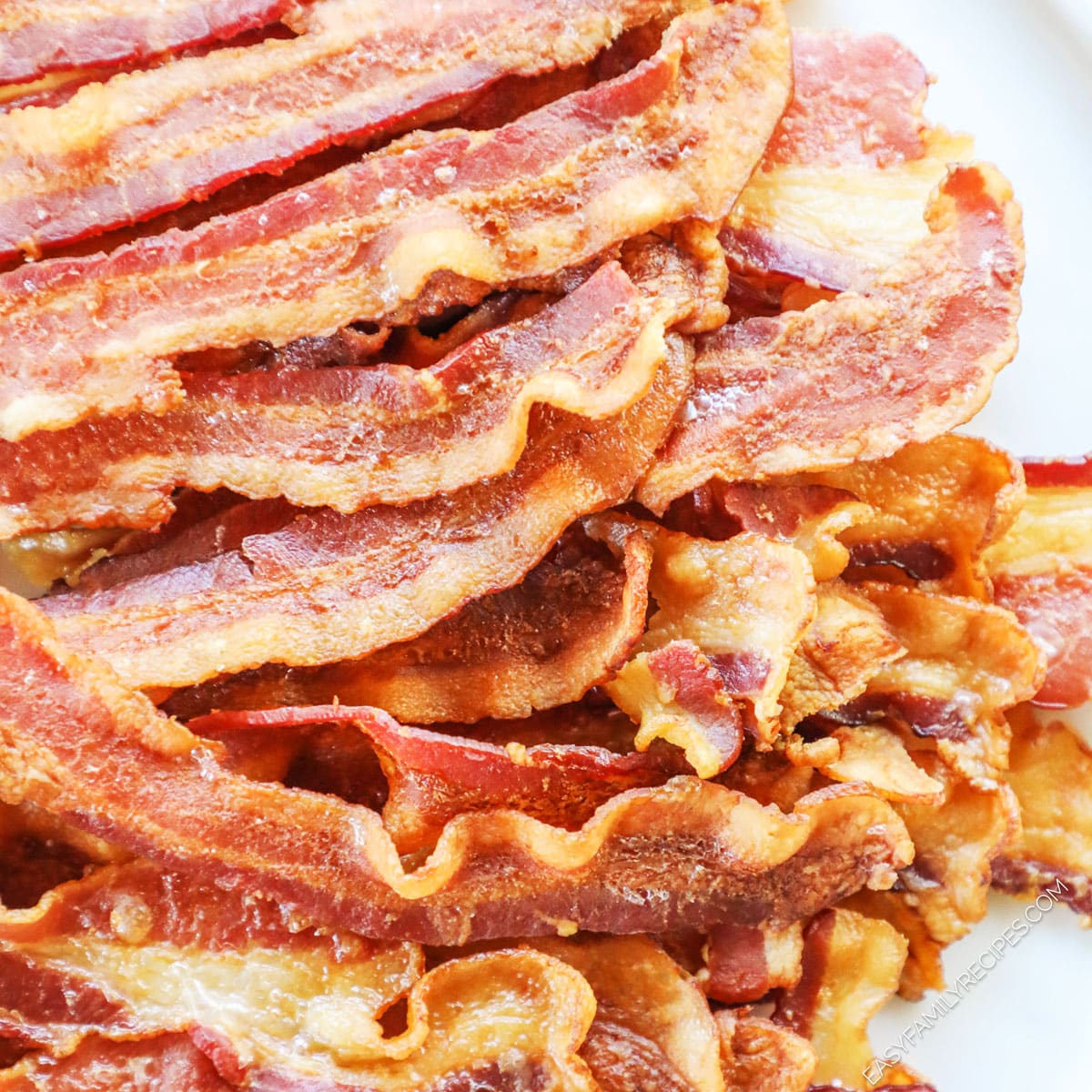
Imagine waking up to the irresistible aroma of sizzling bacon, perfectly crisp and golden, without the usual aftermath of greasy splatters coating your stovetop and countertops. For many years, the stovetop method was the standard for preparing this beloved breakfast staple, but it came with a significant cost: cleanup. Grease splatters, constant flipping, and unevenly cooked strips were often part and parcel of the experience. But what if there was a better way to achieve bacon perfection, one that kept your kitchen pristine and delivered consistently delicious results every time?
Enter the oven method – a culinary game-changer that transforms the chore of cooking bacon into an effortless delight. Once you master Crispy Bacon Every Time: The Easy Oven Cooking Secret, you'll likely never look back at your trusty skillet again. This comprehensive guide will walk you through exactly how to cook bacon in oven, revealing the secrets to crispy, mess-free bacon that's ideal for everything from leisurely weekend brunches to efficient weekday meal prep.
The Case for Clean Kitchen Bacon: Why the Oven Wins
The transition from stovetop to oven for bacon might seem unconventional at first, but the advantages quickly become apparent and overwhelmingly convincing. This isn't just a different way to cook; it's a superior method that addresses the common frustrations associated with traditional pan-frying.
- Say Goodbye to Splatter: This is arguably the biggest selling point. When bacon cooks in the oven, the grease remains contained within the sheet pan. No more scrubbing oil spots off your backsplash, range hood, or even your floor. Your kitchen stays remarkably clean, making post-meal tidying a breeze.
- Consistent Crispiness, Every Single Strip: Unlike the stovetop where hot spots and uneven contact can lead to some pieces being burnt while others remain chewy, the oven provides a consistent, all-encompassing heat. This results in bacon that cooks evenly from end to end, achieving that coveted, satisfying crispiness across every strip without constant monitoring or flipping.
- Hands-Off and Effortless: The oven transforms bacon cooking into a 'set it and forget it' task. Once the bacon is in, you're free to prepare other breakfast items, sip your coffee, or simply relax. There's no need to stand over a hot pan, dodging splatters and constantly adjusting heat. This efficiency is a godsend for busy mornings or when feeding a crowd.
- Frees Up Your Stovetop: With the bacon happily baking away in the oven, your stovetop burners are clear for other culinary endeavors. Sautéing eggs, warming pancakes, or simmering sauces can all happen simultaneously, streamlining your meal preparation process significantly.
- Ideal for Meal Prep and Crowds: A standard baking sheet can accommodate a substantial amount of bacon, making the oven method perfect for cooking large batches. Whether you're feeding a big family, hosting a brunch, or prepping bacon for the week ahead, the oven allows you to scale up without hassle.
For these compelling reasons, understanding how to cook bacon in oven isn't just about convenience; it's about elevating your entire bacon-cooking experience to a new level of ease and perfection.
Mastering the Oven Method: Step-by-Step Perfection
Achieving oven-baked bacon nirvana is surprisingly simple. Here's your roadmap to consistently perfect results.
Choosing Your Bacon: Thickness Matters
While almost any bacon can be successfully baked in the oven, your choice can influence cooking time and texture. For optimal, even results, a center-cut bacon with a consistent thickness across its width is often preferred. This helps ensure all parts of the strip cook at roughly the same rate.
- Standard Cut: This is the most common and works beautifully.
- Thick-Cut: If you love a meatier, chewier texture, thick-cut bacon is fantastic. Just be prepared to add an extra 5-10 minutes (or even more, depending on thickness) to your baking time. Keep a close eye on it towards the end to prevent overcooking.
- Avoid Super Thin-Cut: Very thin bacon can cook extremely quickly and burn easily. If that's all you have, monitor it very closely.
To Rack or Not to Rack? Optimizing Crispiness
The question of using a wire rack on your baking sheet is a common one, and it comes down to preference and desired crispiness.
- With a Rack (Recommended for Ultimate Crispiness): Placing bacon on a wire rack set inside a foil-lined baking sheet allows air to circulate around each strip, and crucially, enables the rendered fat to drip away. This prevents the bacon from swimming in its own grease, leading to exceptionally crisp results without the need for flipping. It's the gold standard for achieving that shatteringly crisp texture.
- Without a Rack (Still Excellent, but Flip Needed): If you don't own an oven-safe wire rack, don't worry! You can still bake bacon directly on a foil-lined baking sheet. The key difference here is that you'll want to flip the bacon halfway through the cooking time. This ensures both sides get good contact with the hot pan, preventing one side from being perfectly crisp while the other remains limp.
- Rack Alternatives: If you want the drainage benefits but lack a proper rack, you can try creating small "tents" or balls of aluminum foil and placing your bacon strips on top of them, allowing a gap for fat to collect below. Just ensure stability.
No matter your rack choice, always line your baking sheet with heavy-duty aluminum foil. This is your secret weapon for effortless cleanup, trapping all that rendered fat.
The Cold Oven Advantage: A Game-Changer for Crispy Bacon
One of the most valuable tips for how to cook bacon in oven is to start it in a cold oven. Yes, you read that right!
- Arrange Bacon: Lay the bacon strips in a single layer on your prepared baking sheet (with or without a rack). Don't overlap them, as this will lead to uneven cooking.
- Place in Cold Oven: Put the baking sheet into a cold oven.
- Set Temperature: Turn the oven on to 375°F (190°C).
- Bake Time: For standard-cut bacon, this typically takes 18-25 minutes. Thick-cut bacon will require 25-35 minutes or longer.
Why a cold oven? This gradual heating allows the fat in the bacon to render out slowly and evenly. This slow rendering process is crucial for achieving truly crispy bacon that isn't burnt on the edges while still raw in the middle. If you start in a preheated oven, the sudden high heat can cause the lean meat to seize up and cook too quickly, resulting in chewy or unevenly crisp bacon.
While 375°F is a sweet spot, the oven method is forgiving. If you're already cooking something else at, say, 350°F or 400°F, you can still bake your bacon alongside it. Just be sure to adjust your cooking time accordingly – lower temperatures will take longer, higher temperatures will cook faster, and you'll need to monitor it more closely to prevent burning.
Storing, Reheating, and Beyond: Making the Most of Your Batch
One of the beauties of oven-baked bacon is its versatility. Cooking a large batch means you can enjoy it fresh, or save it for later, knowing it reheats beautifully.
Storage Savvy
Once your bacon is cooked to perfection and cooled completely (this is important to prevent condensation and sogginess), store it in an airtight container in the refrigerator. It will stay fresh and delicious for up to five days. For longer storage, bacon freezes exceptionally well. Lay cooled strips flat on a parchment-lined baking sheet and freeze until solid, then transfer to a freezer-safe bag or container. This prevents sticking, allowing you to grab just a few strips as needed. Frozen bacon can last for several months.
Reheating for Freshness
Reheating cooked bacon is simple and can restore much of its original crispness:
- Skillet Method: For the best results, reheat bacon in a dry skillet over medium-low heat. This gentle warmth gradually crisps up the bacon without drying it out.
- Microwave Method: For a quick reheat, place bacon on a paper towel-lined plate and microwave in short 15-second bursts until warmed through. Be careful not to overcook, as it can quickly become rubbery.
- Oven Method: If reheating a larger batch, spread it on a baking sheet and warm in a 350°F (175°C) oven for about 5-10 minutes, or until crispy again.
Don't Discard That Delicious Fat!
The rendered bacon fat collected in your foil-lined pan is a culinary treasure! Once it has cooled and solidified, scrape it into a clean jar and store it in the refrigerator. This flavorful fat can be used for sautéing vegetables, frying eggs, making gravies, or adding a smoky depth to countless dishes. It's a fantastic way to add an extra layer of flavor to your cooking and minimize waste.
Mastering how to cook bacon in oven is more than just a cooking technique; it's an upgrade to your kitchen experience. It promises less mess, more consistent results, and newfound freedom in your morning routine. So, ditch the splatter screen, reclaim your stovetop, and prepare to enjoy perfectly crisp, delightfully delicious bacon with unparalleled ease. Your clean kitchen (and your taste buds) will thank you. For more in-depth guidance on achieving crispy, clean bacon results, check out our guide on Bake Perfect Bacon: Your Guide to Easy, Crispy, & Clean Results.
