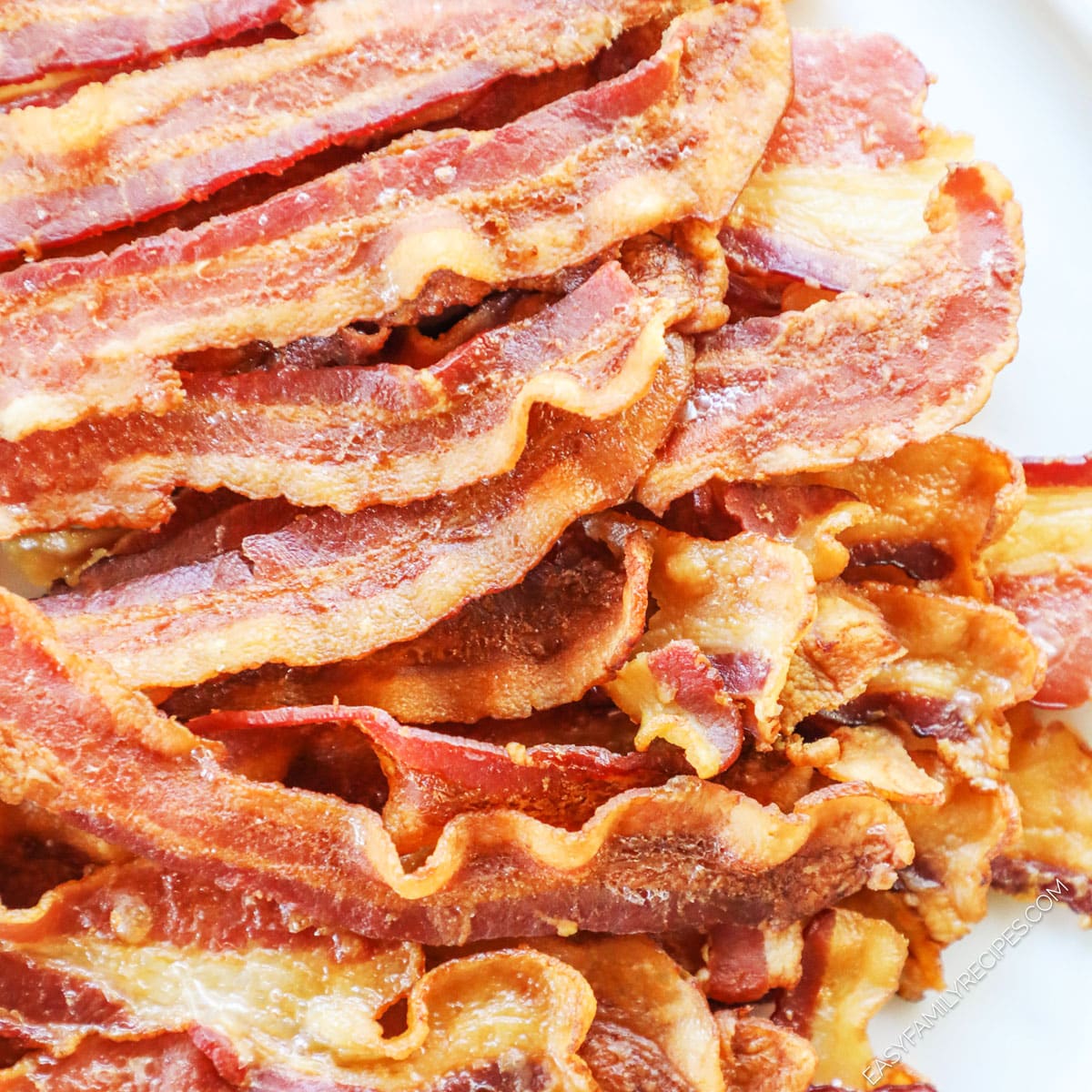
Bake Perfect Bacon: Your Guide to Easy, Crispy, & Clean Results
For many, the unmistakable sizzle and aroma of bacon cooking is the quintessential start to a weekend morning. Yet, this culinary delight often comes with a less-than-delightful cleanup: greasy stovetops, incessant splatters, and the constant vigilance required to prevent burning. What if we told you there’s a superior method that promises perfectly crispy bacon, every single time, without the mess and constant attention? Enter the oven-baked bacon technique – a game-changer for anyone who loves bacon but dreads the fuss.
Learning
how to cook bacon in oven isn't just about avoiding a mess; it's about elevating your bacon experience. This method delivers consistently cooked, evenly crispy strips that make your breakfast, brunch, or any meal featuring bacon infinitely better. Say goodbye to unevenly cooked pieces, burnt edges, and undercooked centers. Get ready to transform your kitchen routine and discover the joy of effortless, immaculate bacon.
Why the Oven Method Reigns Supreme
If you’ve spent your life slaving over a hot skillet, constantly flipping strips and shielding yourself from hot grease, preparing bacon in the oven will feel like a revelation. The benefits extend far beyond simple convenience, touching upon quality, cleanliness, and overall kitchen efficiency.
A Spotless Kitchen, Guaranteed
Perhaps the most compelling reason to switch to oven-baked bacon is the dramatic reduction in cleanup. When bacon cooks on the stovetop, fat splatters everywhere – on your backsplash, countertops, and even the floor. Baking bacon, however, contains the grease neatly within the confines of your sheet pan and oven. This means no more vigorous scrubbing of your stovetop after breakfast. You can enjoy your meal without the impending dread of a greasy cleanup, making it a fantastic method for maintaining a
clean kitchen where the oven method truly beats stovetop splatter.
Effortless Perfection
The stovetop demands your unwavering attention. Turn your back for a moment, and your beautiful bacon can go from perfectly golden to charred ruins. The oven method, by contrast, is a hands-off affair. Once you arrange the bacon on the pan and slide it into the oven, your work is largely done until it’s time to remove it. This frees you up to prepare other components of your meal, enjoy your coffee, or simply relax. It's the ultimate "set it and forget it" approach, delivering beautiful bacon with minimal effort.
Unrivaled Evenness
One of the biggest frustrations with pan-fried bacon is the inconsistency. Some parts get crispy, while others remain chewy, and thinner sections often burn before thicker ones are cooked through. The oven’s radiant, enveloping heat cooks bacon strips uniformly from all sides. This consistent heat distribution ensures that each strip cooks evenly, rendering fat slowly and creating that coveted, all-over crispness. You'll achieve
crispy bacon every time with this easy oven cooking secret.
The Crowd-Pleaser and Meal Prep Master
Trying to cook enough bacon for a family or a brunch gathering on a single skillet is a tedious, multi-batch ordeal. A standard sheet pan, however, can accommodate an entire pound of bacon in one go, making it ideal for feeding a crowd without the hassle. Furthermore, oven-baked bacon stores incredibly well and reheats beautifully, making it perfect for meal prepping. You can cook a large batch at the start of the week and have ready-to-eat bacon for sandwiches, salads, or quick breakfasts.
Choosing Your Bacon & Essential Tools
While the oven method is forgiving, starting with the right bacon and equipment can make a difference in achieving truly exceptional results.
Bacon Selection
Almost any type of bacon can be baked in the oven, but some varieties yield better results or require slight adjustments. My personal preference leans towards
center-cut bacon due to its consistent thickness across the strip. This uniformity helps ensure even cooking. If you opt for thick-cut bacon, which offers a meatier bite, simply anticipate adding an extra 5-10 minutes to your baking time. While delicious, thick-cut takes longer for the fat to fully render and achieve optimal crispness. Avoid excessively thin-cut bacon if possible, as it can be more prone to burning at the edges.
The Rack Debate: To Rack or Not to Rack?
Many proponents of oven-baked bacon swear by using an oven-safe wire rack set inside a rimmed baking sheet. The rack elevates the bacon, allowing hot air to circulate completely around each strip and enabling the rendered fat to drip away. This promotes superior crispness. If you have a wire rack that fits your baking sheet, I highly recommend using it.
That said, if you don't own a rack or prefer not to use one, you can absolutely bake bacon directly on a parchment-lined or foil-lined sheet pan. The key difference here is that you'll want to flip the bacon halfway through the cooking process to ensure both sides get adequately crispy. Even without a rack, this method still far surpasses stovetop cooking in terms of cleanliness and overall evenness. To replicate some of the rack's benefits without one, you can loosely crumple aluminum foil into several "ridges" on your sheet pan before laying the bacon across them. This creates a makeshift elevated surface for drainage.
The Gold Standard for Oven Bacon: Temperature & Timing
Mastering the ideal temperature and understanding the nuances of timing are crucial for achieving that perfect balance of crispy texture and rich flavor.
Starting Cold: The Secret to Supreme Crispiness
This is a tip often overlooked but vital for superior results when you want to learn
how to cook bacon in oven. Place your bacon strips on the sheet pan *before* preheating the oven, then put the pan into a cold oven. As the oven gradually heats up, the bacon fat slowly renders out. This slow rendering process is key to achieving maximum crispiness, preventing the bacon from drying out too quickly or becoming brittle. The fat has ample time to melt away, leaving behind perfectly crisp meat. The only exception to starting in a cold oven is if you're making candied bacon, where you want the sugar to caramelize quickly on a preheated surface.
The Ideal Temperature and Timing Guidelines
My preferred temperature for oven-baked bacon is
375°F (190°C). This temperature provides a good balance, allowing the bacon to cook thoroughly and crisp up without burning too quickly.
*
For regular-cut bacon: Starting in a cold oven at 375°F, it typically takes anywhere from 17-25 minutes.
*
For thick-cut bacon: Expect 25-35 minutes, possibly longer depending on its thickness.
Remember, these are guidelines. Bacon thickness can vary even within the same package, and oven temperatures can fluctuate. Always keep a close eye on your bacon, especially during the last few minutes. If you happen to be cooking other items at a different temperature (e.g., 350°F or 400°F), you can still bake bacon alongside them. Just be vigilant: at lower temperatures, it will take longer; at higher temperatures, it will cook faster and require more frequent checking to prevent burning. Visual cues – golden brown, uniformly crispy strips – are your best indicator of doneness.
Your Step-by-Step Guide to Perfect Oven Bacon
Ready to ditch the stovetop mess forever? Here's a simple, foolproof guide on
how to cook bacon in oven to absolute perfection:
1.
Prepare Your Pan: Line a large, rimmed baking sheet with aluminum foil or parchment paper. This is crucial for easy cleanup, as it catches all the rendered grease. If using a wire rack, place it inside the lined baking sheet.
2.
Arrange the Bacon: Lay the bacon strips in a single layer on the prepared pan or rack. Ensure they are not overlapping, as this will prevent even cooking and crisping. For very long strips, you may need to cut them in half to fit.
3.
Cold Start is Key: Place the baking sheet with the bacon directly into a cold oven. Do not preheat! This gradual heating is essential for rendering the fat slowly and achieving optimal crispness.
4.
Set the Temperature: Close the oven door and set the temperature to 375°F (190°C).
5.
Bake and Monitor: Begin baking. After about 15 minutes, start checking on the bacon.
* For regular-cut bacon, it will likely be done between 17-25 minutes.
* For thick-cut bacon, continue baking for 25-35 minutes or longer.
* If you're not using a rack, consider flipping the bacon once halfway through (around the 10-15 minute mark) to ensure even crisping on both sides.
6.
Look for Doneness: The bacon is ready when it's deeply golden brown and crispy to your liking. It will crisp up slightly more as it cools. Remove the pan from the oven just before it reaches your desired crispness.
7.
Drain and Serve: Carefully transfer the cooked bacon to a plate lined with paper towels. This helps absorb any excess grease. Allow it to rest for a few minutes before serving.
Storing and Reheating Your Crispy Creation
One of the great advantages of oven-baked bacon is how wonderfully it lends itself to storage and reheating. This is excellent news for meal preppers or anyone who wants a quick bacon fix.
Once your bacon has cooled completely to room temperature, store it in an airtight container in the refrigerator for up to five days. If you've made a particularly large batch, freezing is an excellent option. To prevent strips from sticking together, either freeze them individually on a baking sheet before transferring to a freezer bag, or layer them in an airtight container with parchment paper between each strip. Frozen bacon can last for up to a month.
When it comes to reheating, you have a few easy options:
*
Skillet: Place strips in a cold skillet over low heat. This gentle reheating prevents burning and helps restore some crispness.
*
Microwave: For a super quick warm-up, place bacon on a paper towel-lined plate and microwave in 10-15 second bursts until warm. Be careful not to overcook, as it can become rubbery.
*
Oven: For larger batches or to regain maximum crispness, reheat bacon on a baking sheet in a 350°F (175°C) oven for about 5-8 minutes.
Conclusion
The era of greasy, splattered stovetops and unevenly cooked bacon is officially over. By mastering
how to cook bacon in oven, you unlock a world of culinary convenience and consistently perfect results. This method is not just a trick; it's a superior technique that saves you time, keeps your kitchen clean, and delivers the kind of uniformly crispy, delicious bacon you've always dreamed of. So, preheat your imagination (or rather, start cold!), and prepare to revolutionize your breakfast routine forever. Give oven-baked bacon a try – you'll wonder why you ever cooked it any other way!